Buy, Hold or Sell Decision
Buy, Hold or Sell Decision
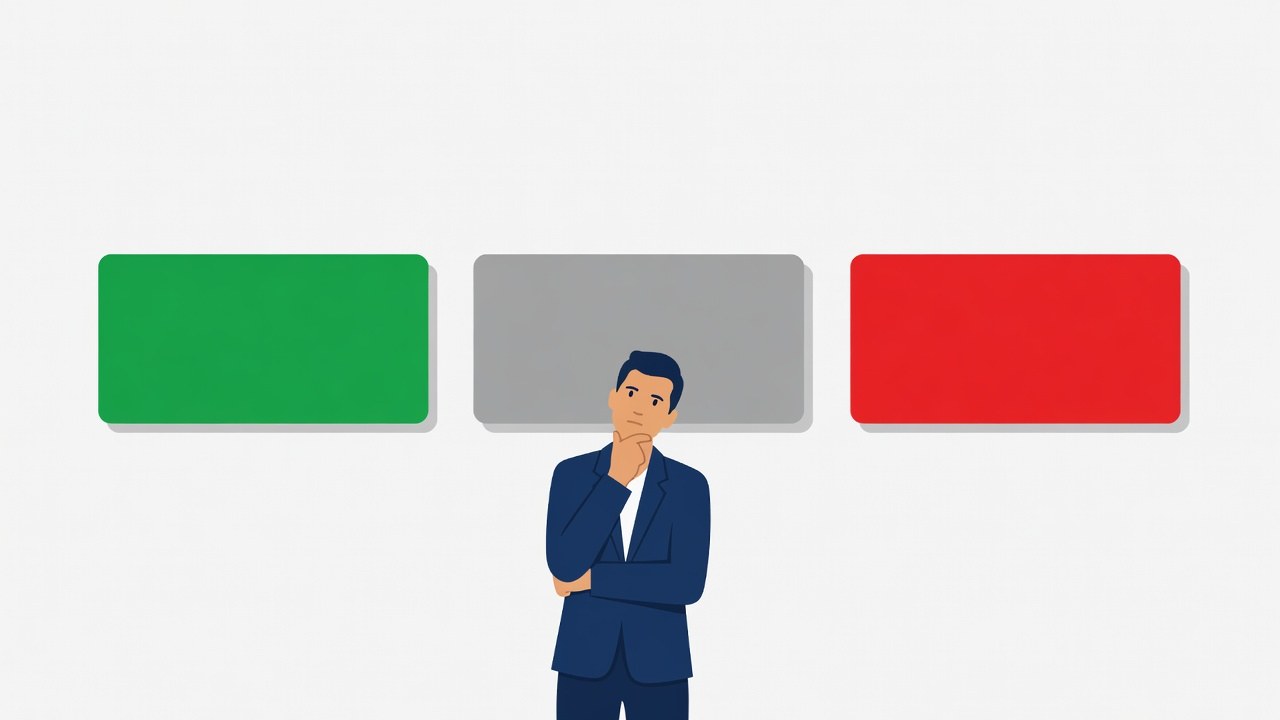
Introduction
After research and valuation, you must decide: buy, hold, sell — or pass. This lesson turns your analysis into an action.
The Buy Decision
Buy when:
- Value > price with a meaningful margin of safety
- The thesis is sound and drivers are intact
- It fits your portfolio and risk plan
- You can size it so one failure doesn't hurt
The Hold Decision
Hold when:
- The thesis still holds
- Valuation is fair — neither a bargain nor extreme
- Nothing has materially changed
- Stay because the idea still works, not out of inertia
The Sell Decision
Consider selling when:
- The thesis breaks — the original reasons no longer hold
- Valuation is extreme relative to the outlook
- A better opportunity with better risk/reward appears
- You need the capital or need to rebalance for risk
The Pass Decision
Passing is a position too:
- No margin of safety? Pass and wait
- Uncertain business you can't value? Pass
- Respect your circle of competence
Decisions, Not Headlines
Base every call on your written thesis and numbers, not hype or a headline. Emotion and fear of missing out (FOMO) are the enemies of good decisions.
Summary
- Buy: value > price with margin of safety and a sound thesis
- Hold: thesis intact and valuation fair
- Sell: thesis breaks, valuation extreme, or better options
- Pass is always valid — respect your circle of competence
- Decide on your thesis and numbers, not headlines
Next Lesson
Staying the course: monitoring, exit and portfolio fit.
Quiz - Quiz - Buy, Hold or Sell Decision
1. A buy is justified when...
2. Hold can be right when...
3. You should consider selling when...
4. Decisions should rest on...