Competitive Moat and Research
Competitive Moat & Research
Introduction
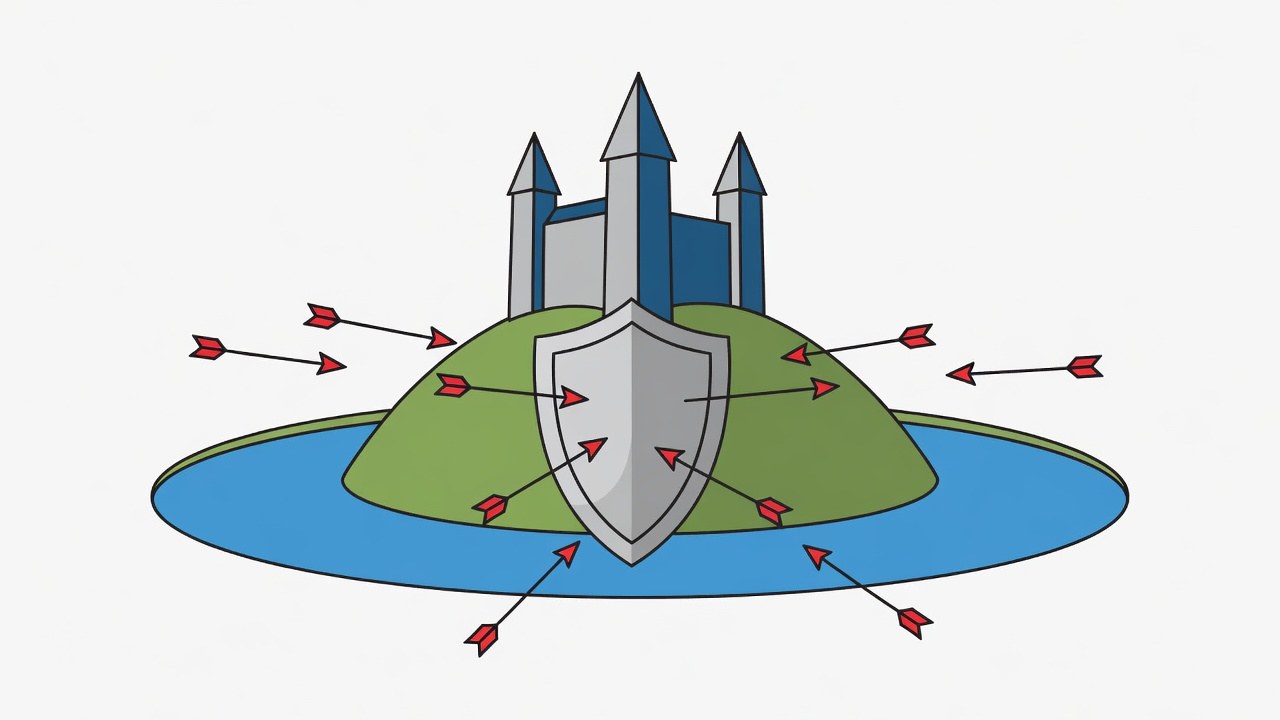
A great business is hard to compete with. That durable advantage is called its moat. This lesson explains the main types of moats and how strong research helps you find them.
What a Moat Is
A moat is a durable competitive advantage that keeps rivals from stealing market share or profits over a long period.
Types of Moats
- Brand strength — customers choose and trust the brand
- Network effects — each new user makes the product more valuable
- Switching costs — customers find it costly to leave
- Cost advantage — the company earns better margins on the same output
- Intangible assets — patents, licenses, proprietary tech
- Scale/efficiency — size gives it an edge rivals can't match
Research: Ongoing and Multi-Source
Good research is continuous and draws from many places:
- Annual reports, investor calls, filings
- Competitors and industry data
- Customers and employees (where possible)
- News, regulators, trends
The Moats Assessment
For a competitor to matter, they must overcome the moat. The wider and more durable the moat, the more predictable future profits — and the more valuable the company.
Honest Research
- Seek reasons both for and against
- Question hype and management claims
- Check data from independent sources
- Be careful with survivorship bias and hindsight
Summary
- A moat = durable competitive advantage
- Types: brand, network effects, switching costs, cost, intangibles, scale
- Research continuously, from many independent sources
- Wider moats = more predictable profits
- Fight bias: look at both bull and bear evidence
Next Lesson
The people running the show: management and governance.
Quiz - Quiz - Competitive Moat & Research
1. A 'moat' refers to...
2. Examples of moats include... multiple answers
3. Research should be...
4. A strong moat usually means...