Case Study: Turnaround or Short Thesis
Case Study: Turnaround or Short Thesis
Introduction
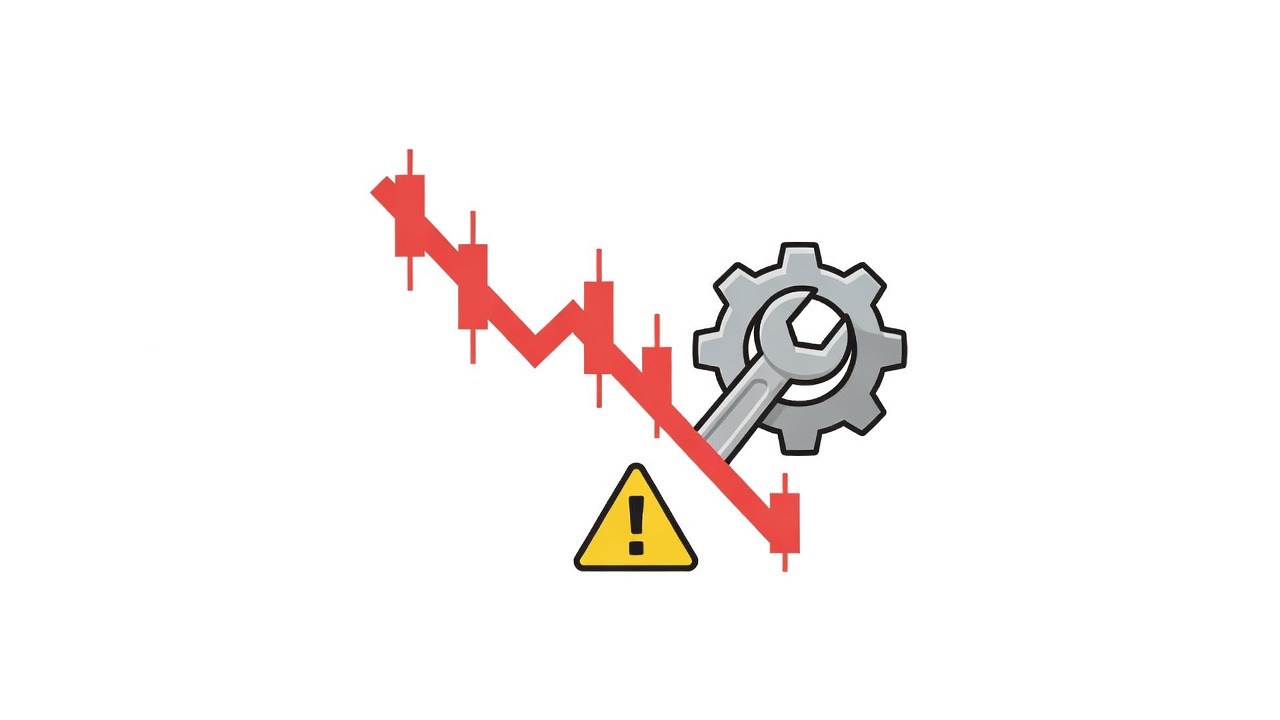
Not every idea is 'buy a great company cheap'. Some investors pursue turnarounds (fixing a broken business) or shorts (betting a price falls). Both are higher risk and need even stricter discipline.
Turnaround Thesis
A turnaround bets the problems can be fixed:
- New management, restructuring, cost cuts
- Confirm there's a real path back to profitability
- Watch cash burn and balance sheet survival
Short Thesis
Shorting = betting the price will fall (borrow shares, sell, hope to buy back cheaper).
- Usually driven by overvaluation, fraud risk, or deteriorating business
- Returns are capped (price can't go below zero) but downside is unlimited if price rises
- Requires tight risk control and strong conviction in the evidence
The Risks Are Extreme
- Shorts can be squeezed — price can spike violently higher
- A turnaround can fail and burn cash for years
- Timing is brutally hard: 'right idea, wrong time' still loses
- Both need small positions and strict stops
Discipline Required
- Written thesis with the specific evidence that wins
- Predefined stop and max loss
- Understand your downside before you enter
Decide to Pass Too
Sometimes the correct answer is 'not for me'. Not every opportunity fits every investor's risk tolerance. Passing is a valid, disciplined decision.
Summary
- Turnaround: betting problems can be fixed (high risk)
- Short: betting the price falls (capped upside, unlimited downside)
- Both can be squeezed or fail — timing is brutal
- Use small positions, written evidence, strict stops
- It's always valid to pass on a setup
Next Lesson
Turning all of this into a repeatable process.
Quiz - Quiz - Case Study: Turnaround/Short
1. A turnaround bet requires...
2. Shorting means...
3. Shorting is riskier because...
4. Both setups still need...