Management Fees and Fund Costs
Fund Fees & Costs
Introduction
Fund fees are small percentages that compound into big differences over decades. This lesson explains the main costs and why low fees matter so much.
The Expense Ratio
The expense ratio is the annual fee a fund charges as a percentage of assets, covering management, administration, and other costs.
- Index ETFs: typically 0.05%–0.25%
- Active mutual funds: often 0.5%–1.5%+
Other Costs to Watch
- Trading commissions — fees to buy/sell the fund
- Spread — the bid/ask gap on ETFs
- Sales loads — one-time charges when buying (front-end) or selling (back-end) some mutual funds
- Transaction/redemption fees — in some funds
The Compounding Effect of Fees
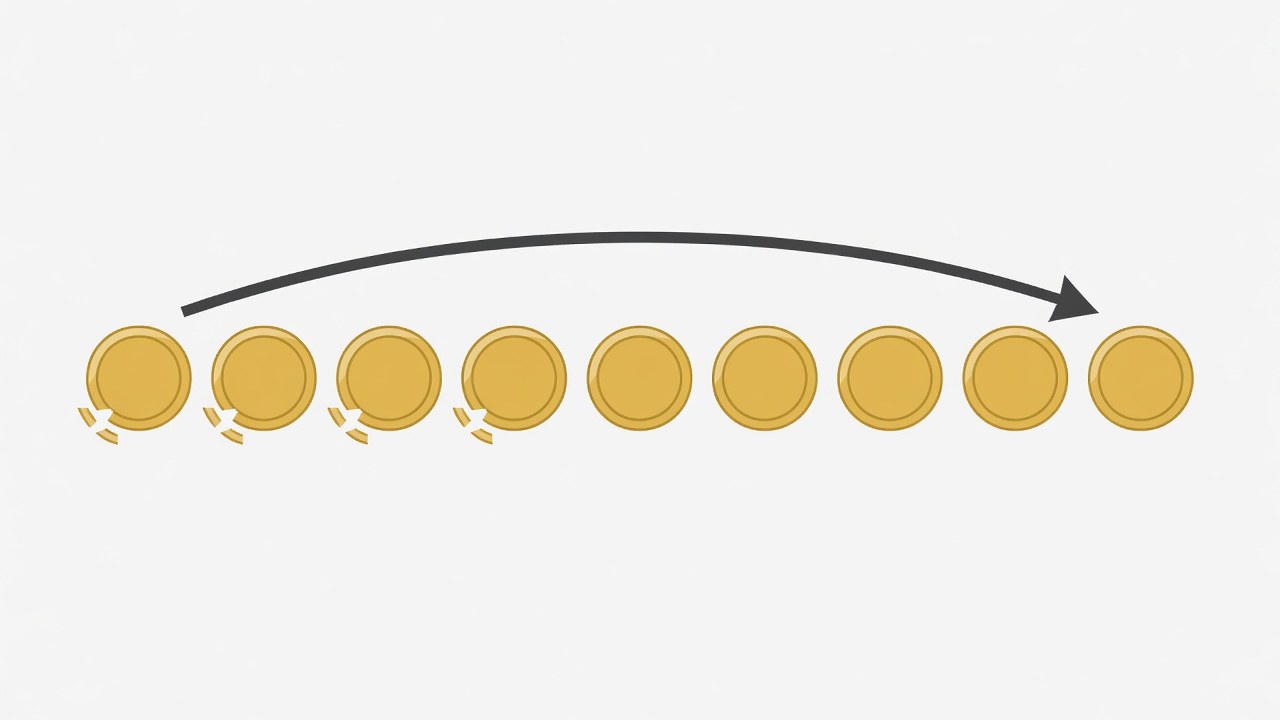
Fees are taken every year, so they compound against you:
$10,000 for 30 years at 7% gross
Expense ratio 0.10%  -> you keep most of that growth
Expense ratio 1.50%  -> a big chunk of returns vanishes
A difference of ~1% a year can change your outcome by tens of thousands of dollars.
Why Low Fees Win
Because index funds are cheap to run and require little management, they can charge far less than active funds — leaving more of the market's return in your pocket.
Practical Advice
- Always check the expense ratio before buying
- Prefer low-cost index funds/ETFs
- Avoid unnecessary trading (each trade has a cost)
- Compare total fees, not just the headline number
Summary
- Expense ratio is the annual % fee on fund assets
- Index ETFs are usually cheapest; active funds cost more
- Extra costs: commissions, spreads, loads
- Fees compound against you over time — low fees matter a lot
- Check the expense ratio before every fund purchase
Next Lesson
Now the advanced, riskier world: derivatives.
Quiz - Quiz - Fund Fees & Costs
1. The expense ratio is...
2. A low expense ratio over decades...
3. Index ETF expense ratios are typically...
4. Besides the expense ratio you might pay... multiple answers