Futures Contracts
Futures Contracts
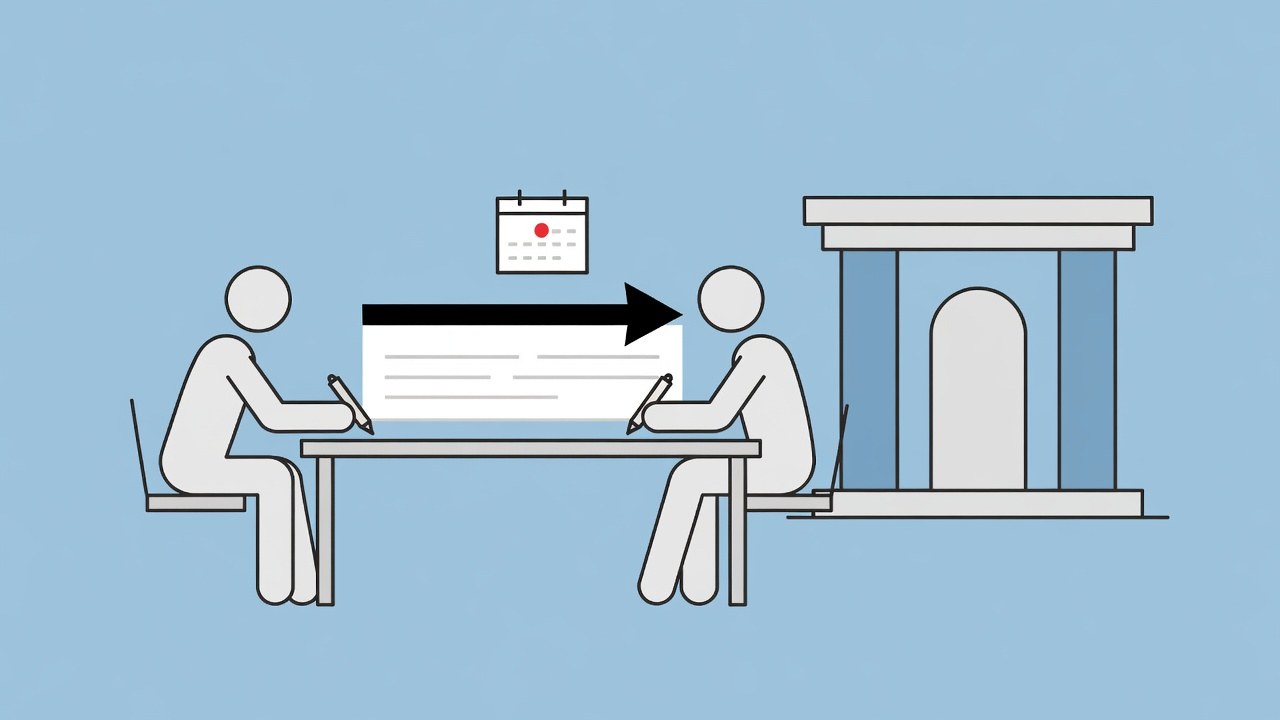
Introduction
A futures contract is a standardized agreement to buy or sell an asset at a set price on a future date. Futures are used for hedging and speculation, often with heavy leverage.
How a Futures Contract Works
Buyer agrees to BUY at $X on date D
Seller agrees to SELL at $X on date D
The contract obligates both sides to complete the trade at the agreed price and date, regardless of the market price then.
Standardized and Traded on Exchanges
Futures are standardized (asset, quantity, delivery date) and trade on regulated exchanges. This makes them liquid and transparent.
Margin and Leverage
Futures traders post margin — a fraction of the contract value. This creates leverage: you control a large position with a small deposit.
Contract value: $50,000
Margin required: 10% = $5,000
You control $50,000 of exposure with $5,000
Hedging with Futures
Producers and consumers use futures to lock in prices:
- A farmer locks in a future harvest price
- An airline locks in fuel costs
The Risk
Leverage cuts both ways. A small adverse move can require more margin (margin call) or produce large losses. Futures are risky and not for beginners.
Real-World Example
A coffee roaster needs beans in 6 months. It buys coffee futures at today's price to remove uncertainty. If prices rise, the futures gain offsets the higher cost. If prices fall, the futures lose but the roaster buys beans cheaper.
Summary
- A futures contract obligates buying/selling at a set price on a future date
- They are standardized and exchange-traded
- Margin creates leverage — control big positions with small capital
- Used to hedge (lock in prices) or speculate
- Leverage makes them risky; not for beginners
Next Lesson
The other major derivative: options.
Quiz - Quiz - Futures Contracts
1. A futures contract obligates the parties to...
2. Futures traders often use...
3. Producers use futures to...
4. Because of leverage, futures can produce...