What Are Derivatives?
What Are Derivatives?
Introduction
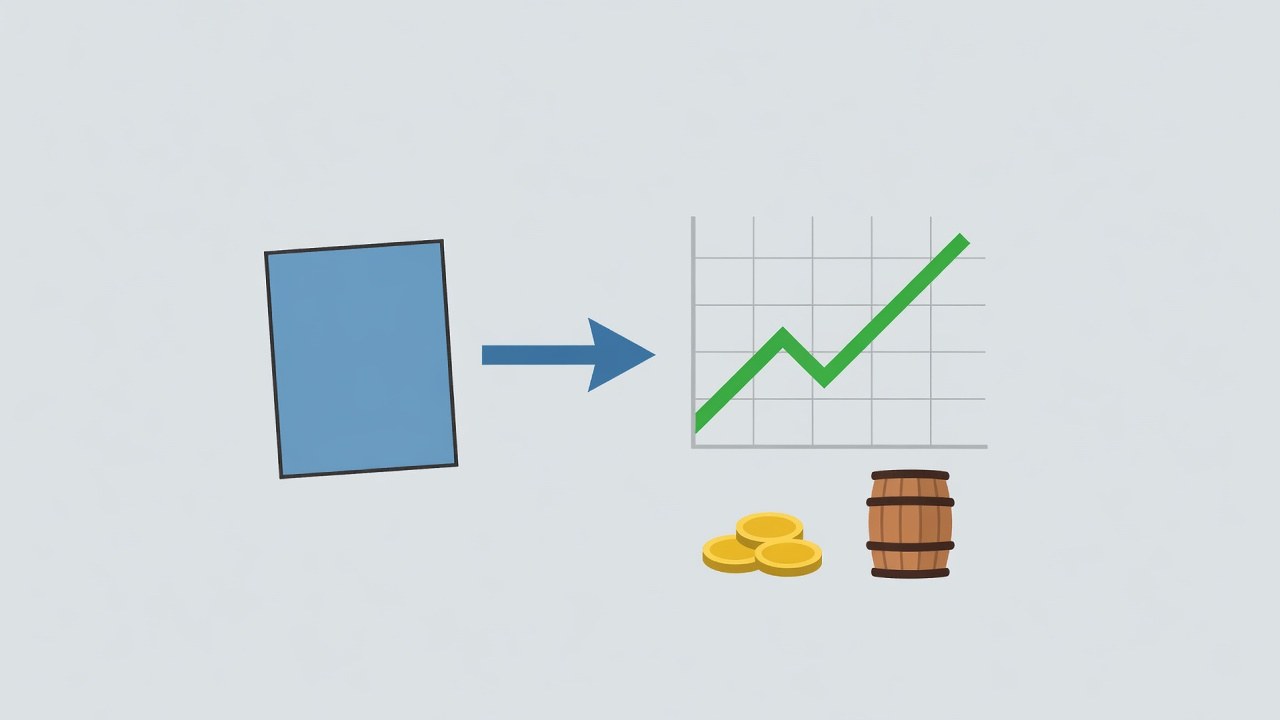
A derivative is a financial contract whose value is derived from an underlying asset — a stock, commodity, index, or currency. Derivatives are powerful tools for hedging and speculation, but they carry significant risk.
The Underlying Asset
The value of a derivative depends on an underlying asset. Examples:
- A stock
- A commodity (oil, gold)
- A market index
- A currency or interest rate
Common Derivatives
- Futures — contracts to buy/sell at a set price on a future date
- Options — rights to buy/sell at a set price
- Swaps — exchanging cash flows (often used by institutions)
Why Use Derivatives?
1. Hedging — protecting against adverse price moves (e.g., a farmer locking in crop prices) 2. Speculation — betting on price direction 3. Leverage — controlling a large position with a small amount of capital
The Big Risk
Derivatives often involve leverage, which magnifies both gains and losses. A small price move against you can wipe out far more than you invested. Derivatives are complex and best left to experienced investors.
Small capital  ->  big exposure (leverage)
Price against you  ->  magnified loss (possible margin call)
Real-World Example
An airline buys oil futures to lock in fuel prices — hedging. A trader uses leveraged options to speculate on a stock price. The airline manages risk; the trader accepts risk.
Summary
- Derivatives derive value from an underlying asset
- Used for hedging, speculation, and leverage
- Leverage magnifies both gains and losses
- High complexity and risk — not for beginners
- Underlyings: stocks, commodities, indices, currencies
Next Lesson
One major derivative in detail: futures contracts.
Quiz - Quiz - What Are Derivatives?
1. A derivative is...
2. Derivatives are used to... multiple answers
3. The main risk of derivatives is...
4. An underlying asset can be... multiple answers